Taking full advantage of the spooky Halloween season, students worked on writing, revising, and finalizing a scary short story. They then visited the elementary school to share their stories with children eager to listen to their tales.
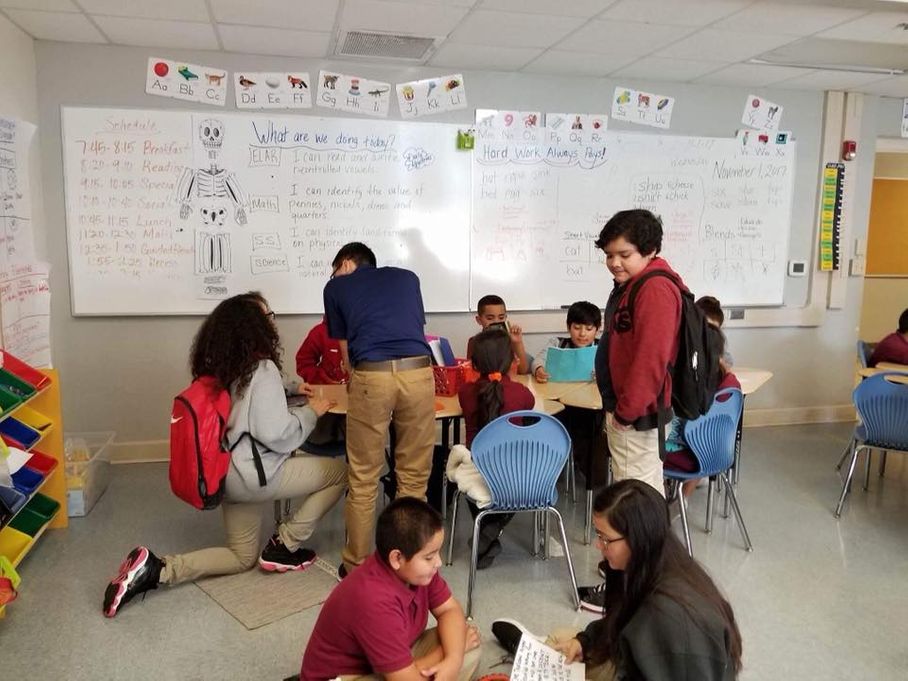
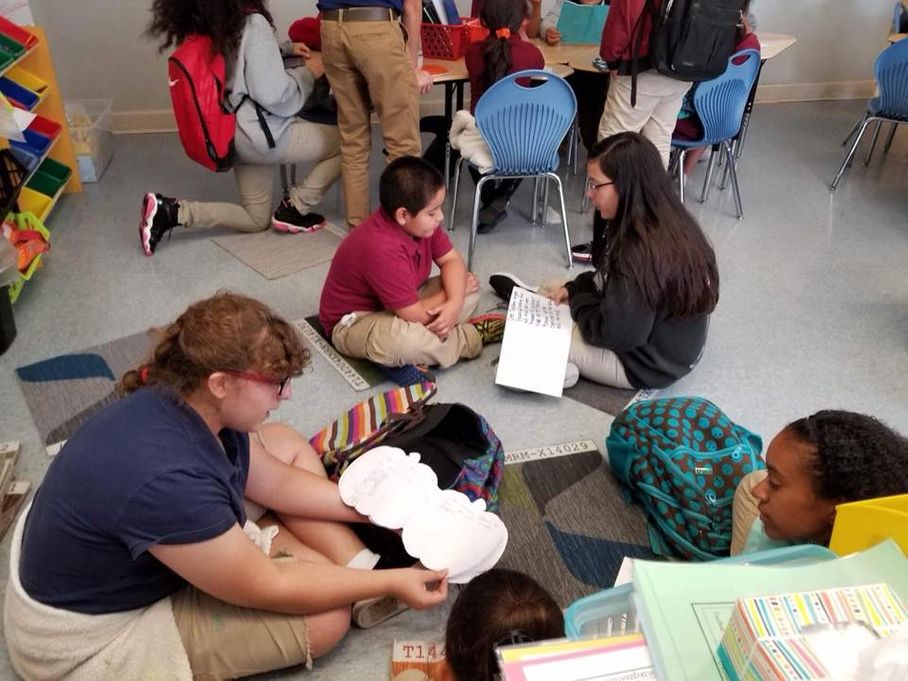

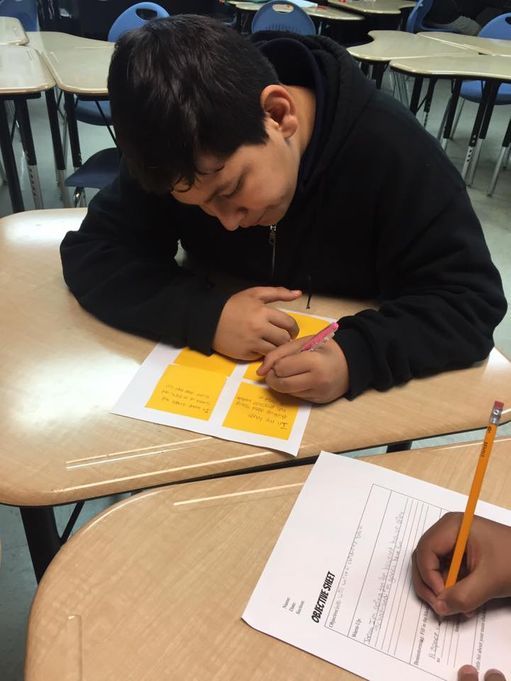
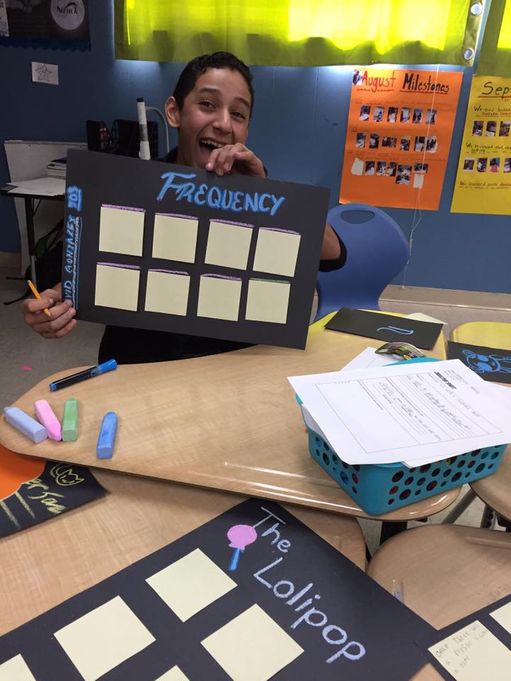
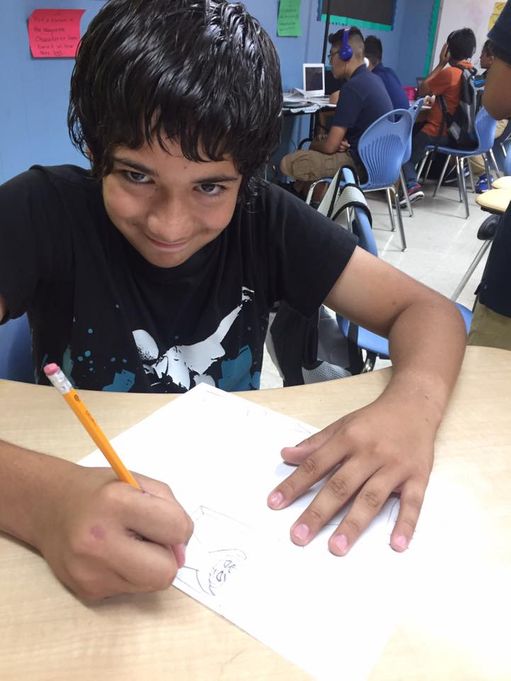
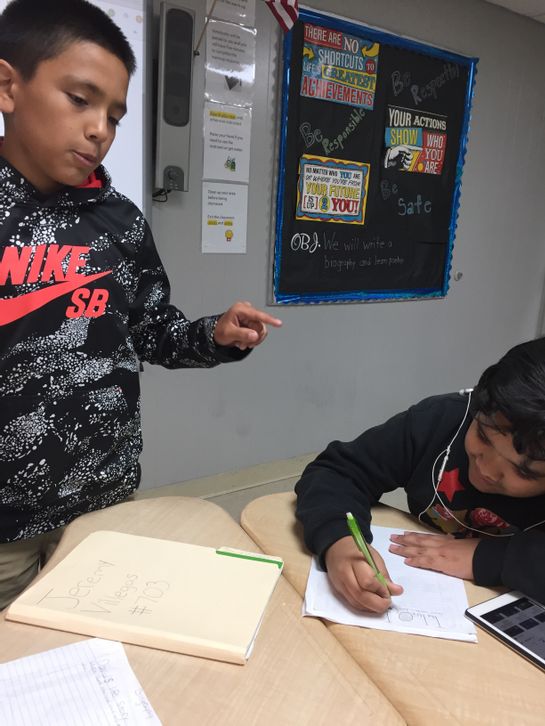
For many of us, critical expression through writing can be an arduous task and for some students it can be a very daunting task. Based on research by Madigan (2007), Leland, C., & Harste, J. (1999), and and my own experiences in the classroom, I found that project-based learning helps students create meaningful experiences, have critical conversations, and helps them think through their ideas which later translates into better writing. Below are some examples:
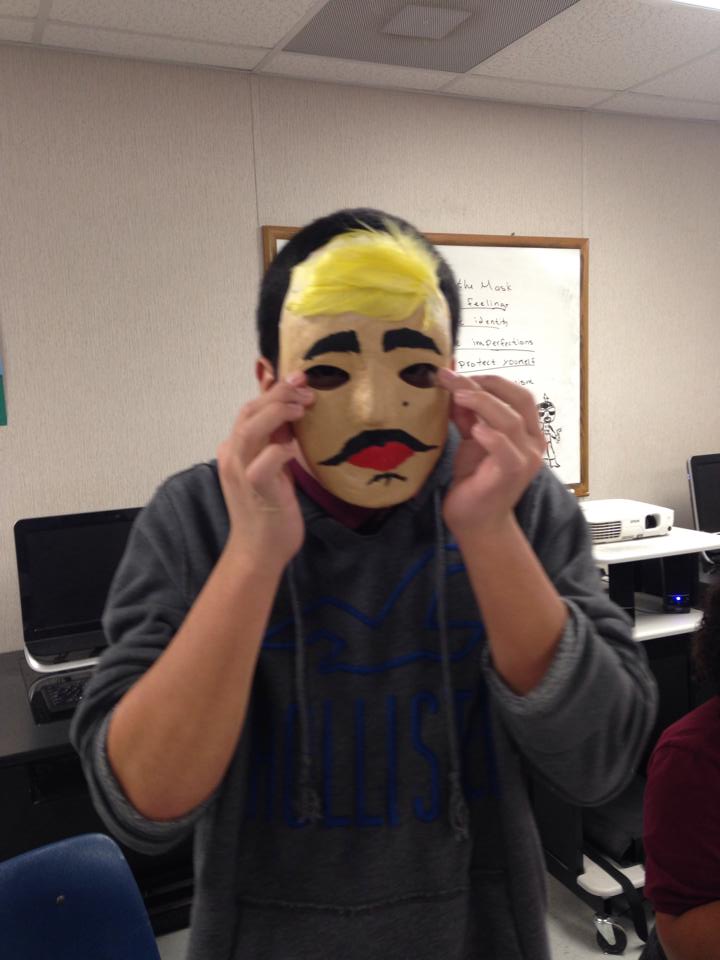
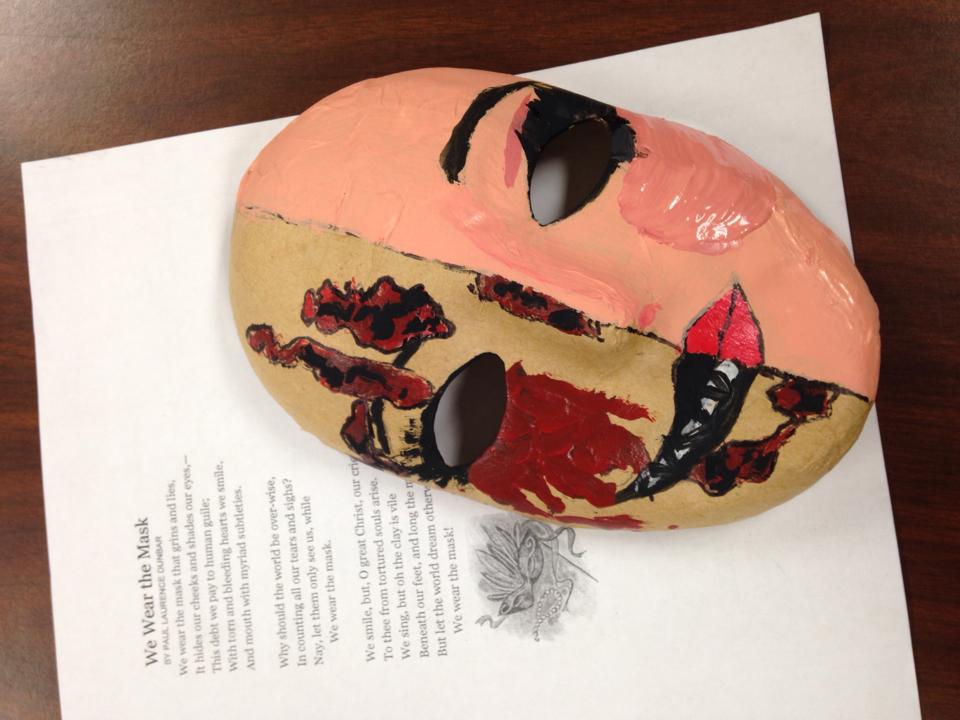
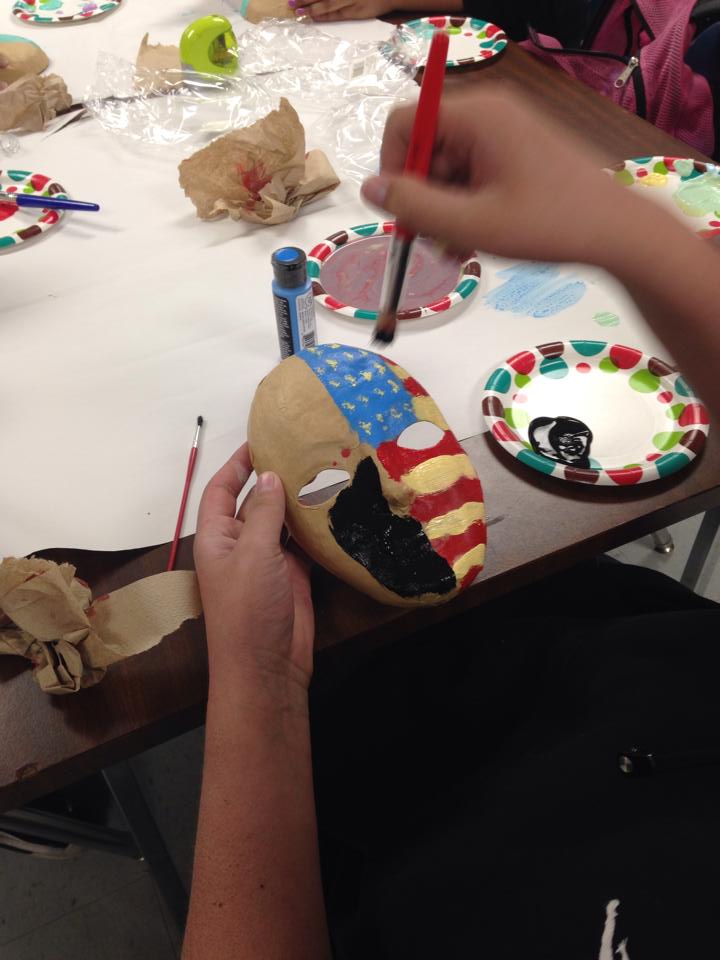
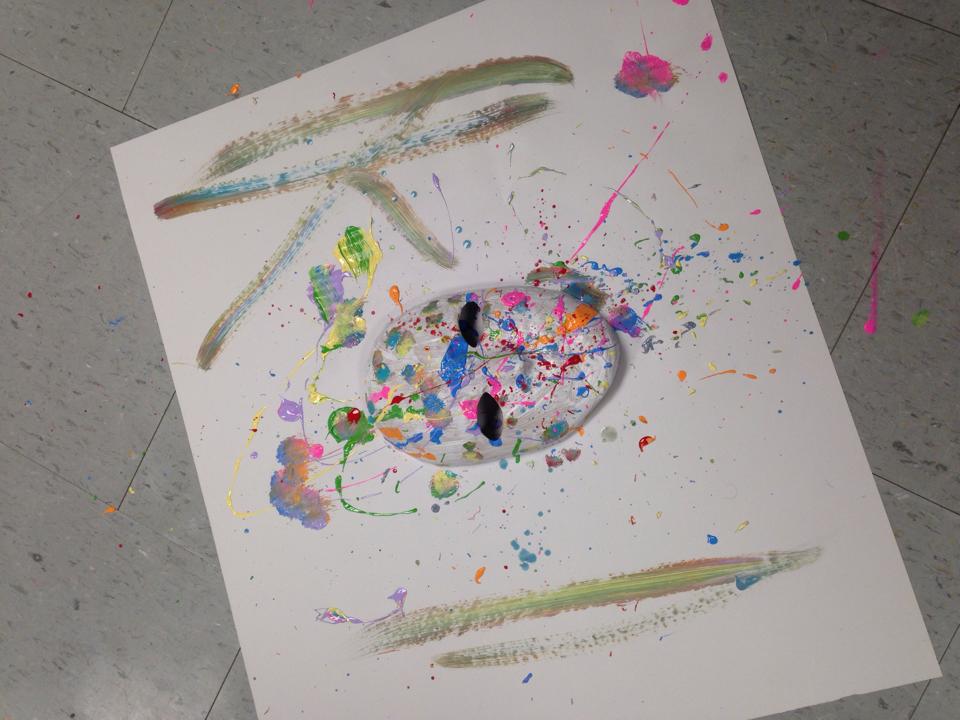
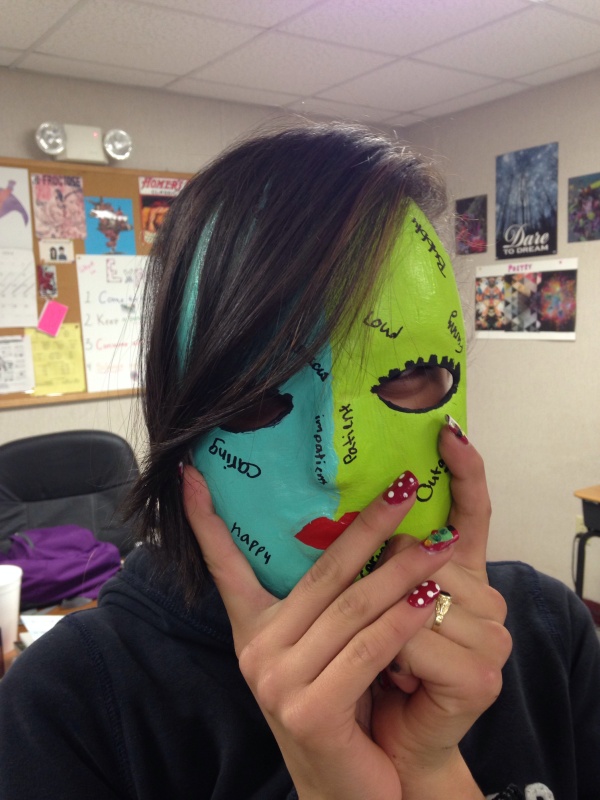
English I: This year, students were challenged to think about issues of social justice. They read novels in literature circles that included The Boy in the Striped Pajamas, Trafficked, The Diary of Part-time Indian, and Esperanza Rising. Some supplies were generously donated by Donors Choose and students began brainstorming ways to use these supplies to help demonstrate themes that they read. Students came up with the idea of "The Masks that We Wear". They chose poems that related to the theme, analyzed the theme in their books, and finally worked on their mask projects. They later wrote expository essays on the "Masks we Wear" examining the metaphorical and literal masks we sometimes feel we need to wear. You can find these writings on their livebinder: http://bit.ly/1ynTBmm and pictures of their masks below.
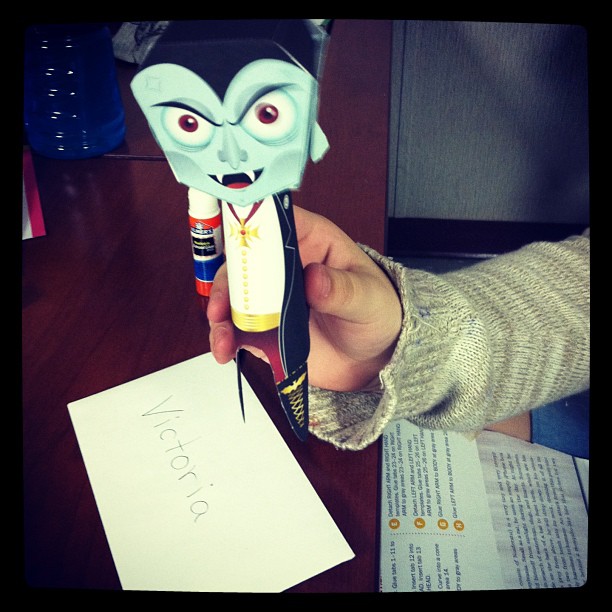
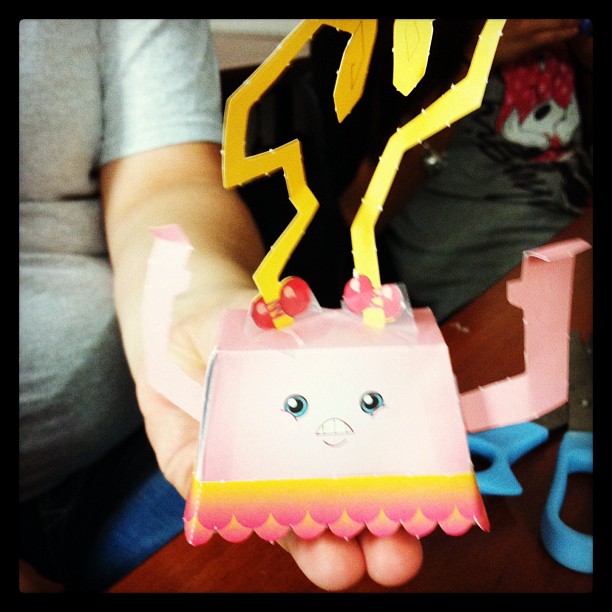
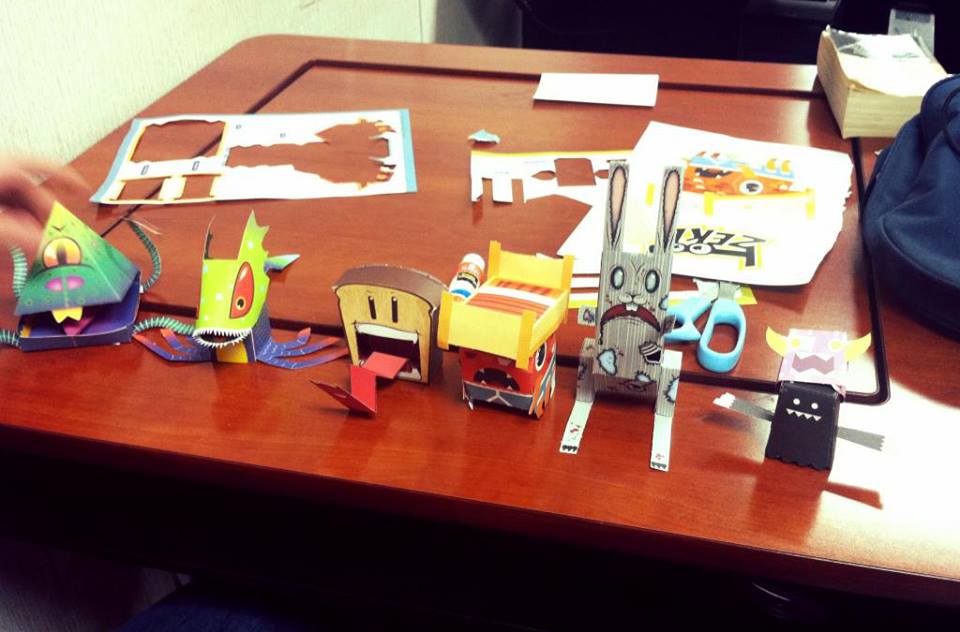
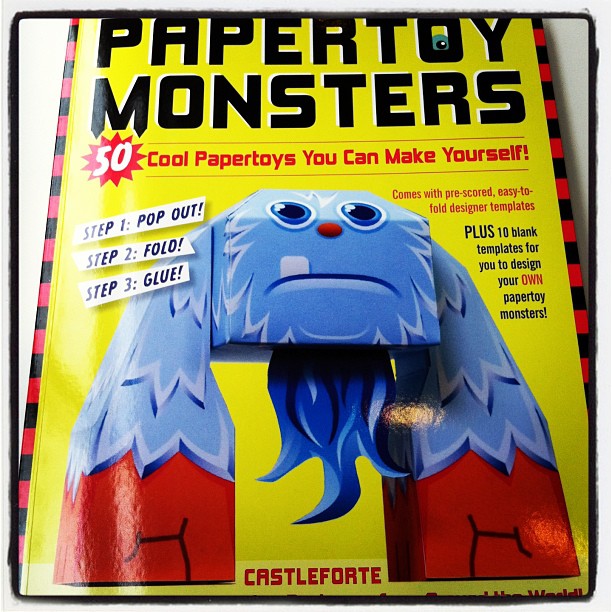
Creative Writing: To help with engagement the last weeks of school and to inspire writing, students created their own "monsters" and created short stories. Students learned about the elements of a short story: plot, character, conflict, theme, and setting and used these elements in their own narratives.
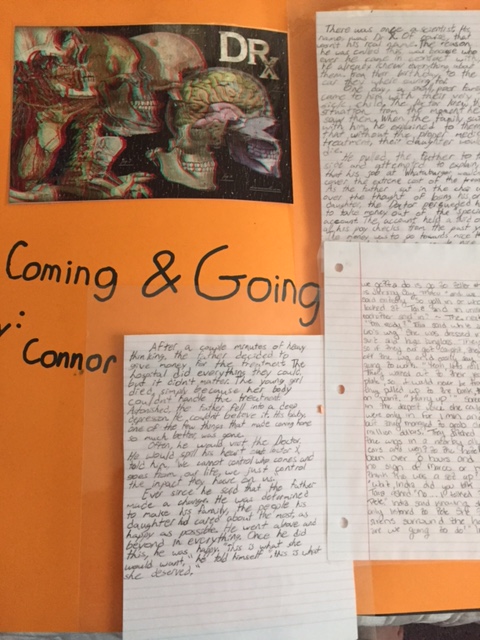
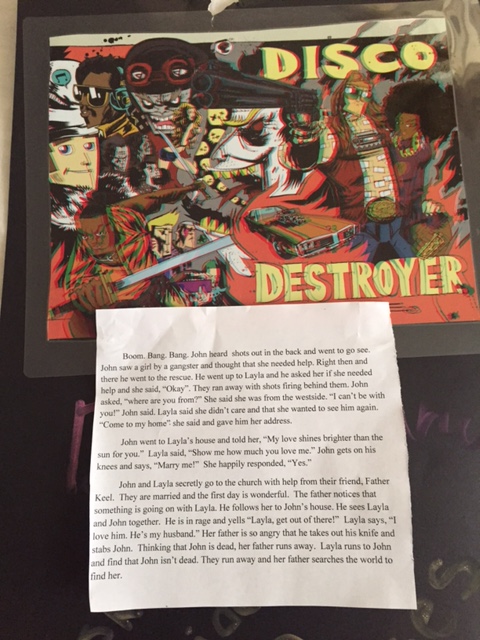
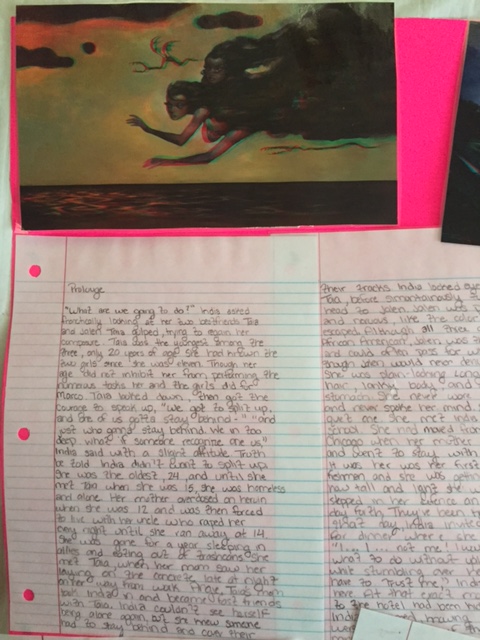
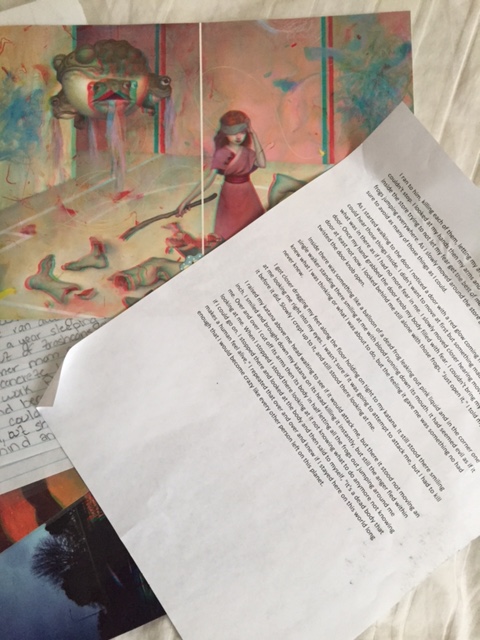
When the Physics teacher mentioned a project her students were doing where they studied 3D photos and created 3D glasses, Creative Writing decided to use those photos to inspire their writing and create a gallery that could be used with those 3D glasses. The following are examples of their finished products:
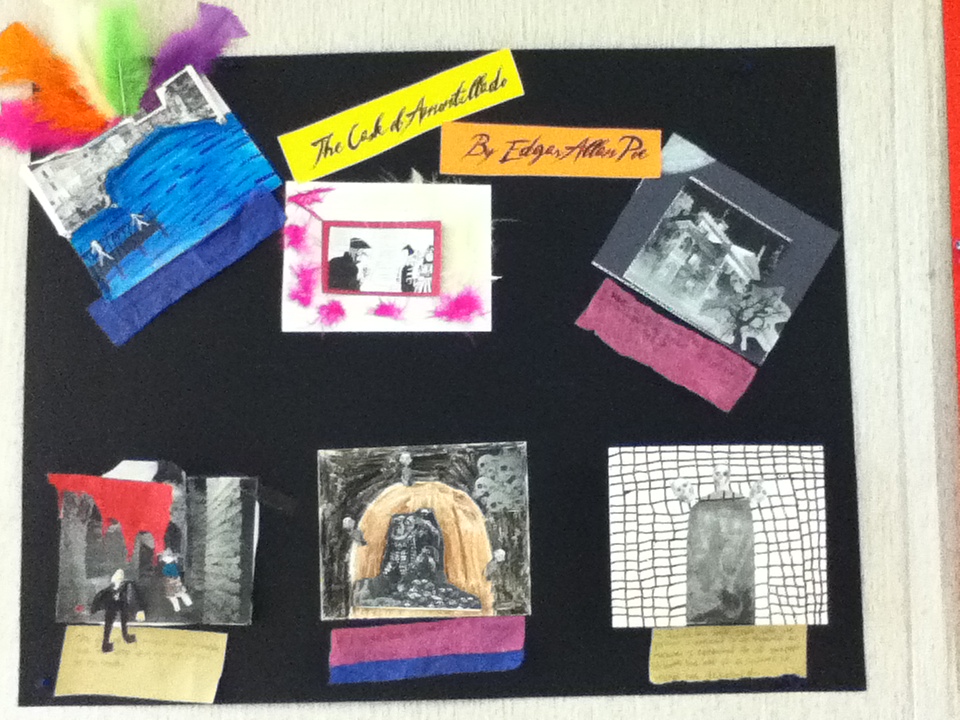

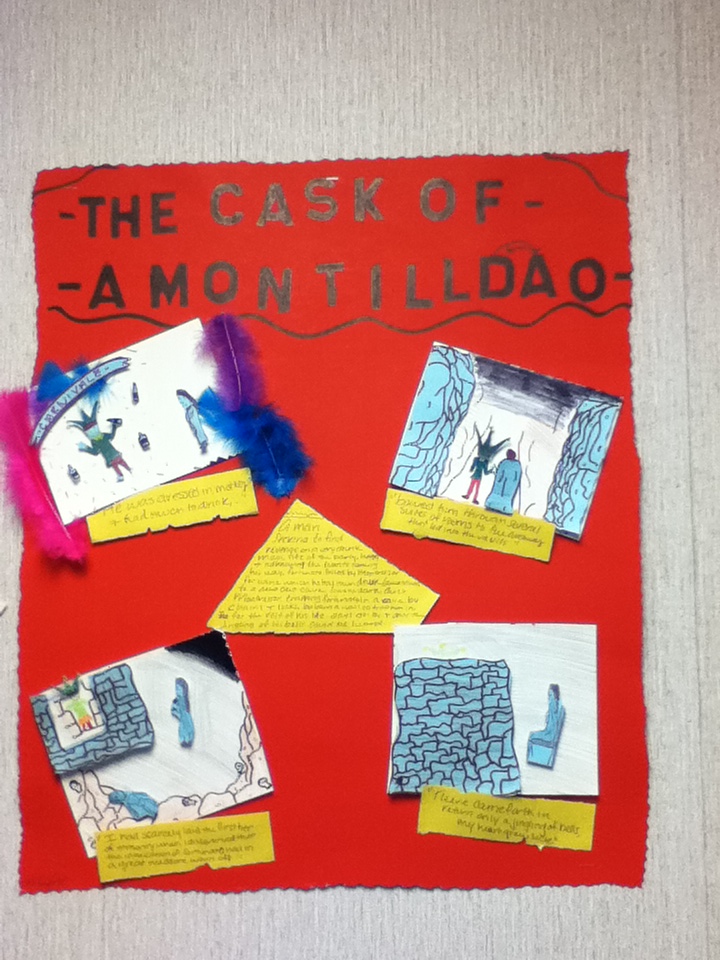


English I: Poe is still a student favorite and the “Cask of Amontillado” is one of his best. Students had a great time reading the story of revenge and murder and creating their own horror stories. The following are examples of their unit projects relating to elements of plot.
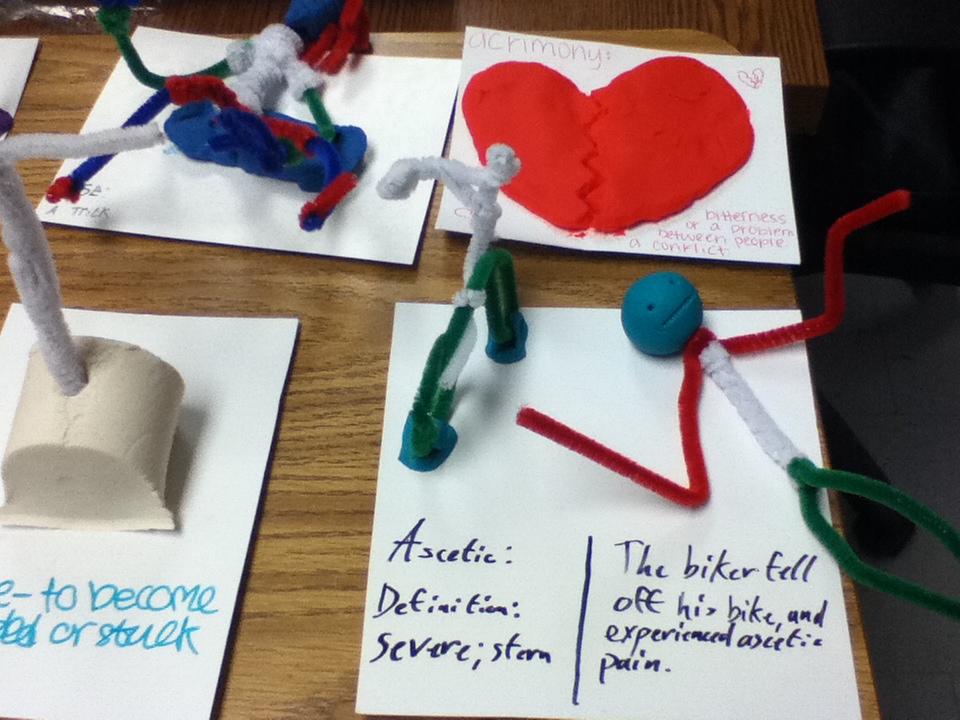
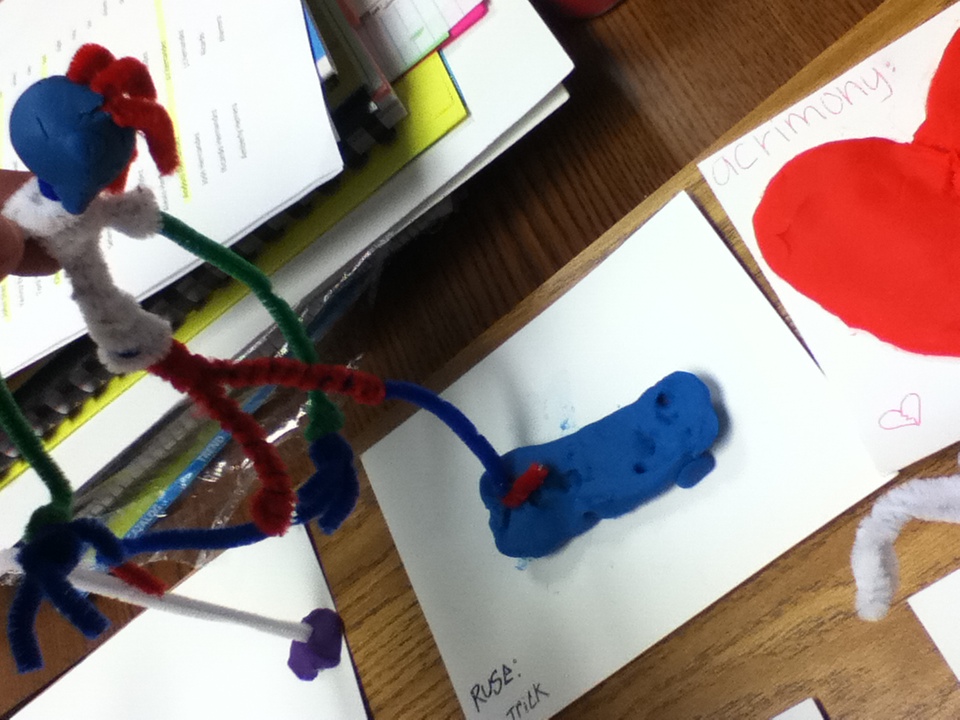
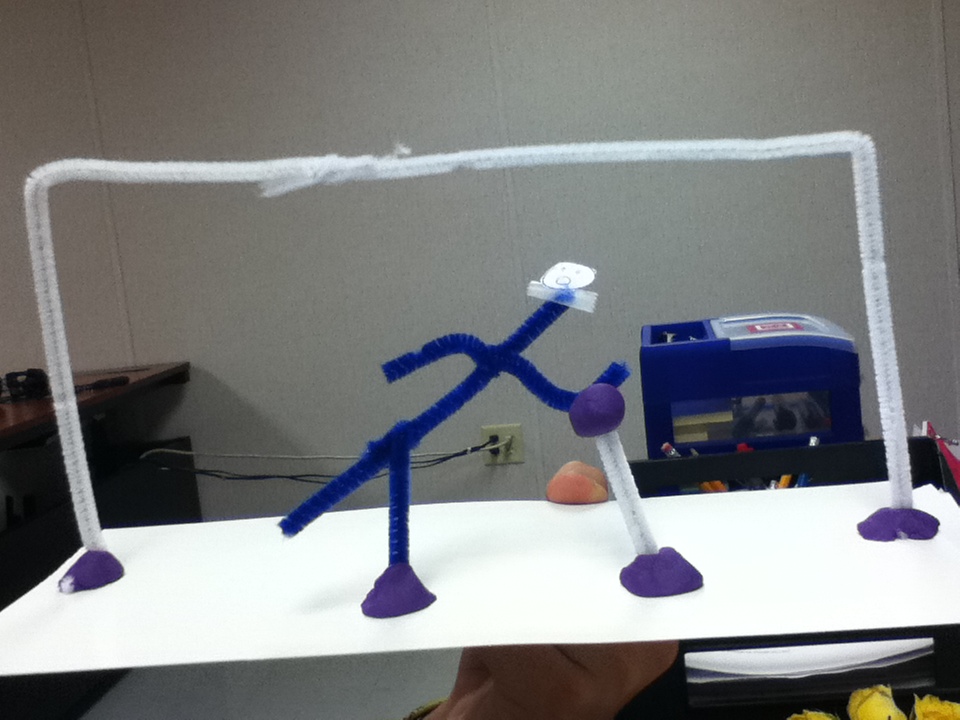
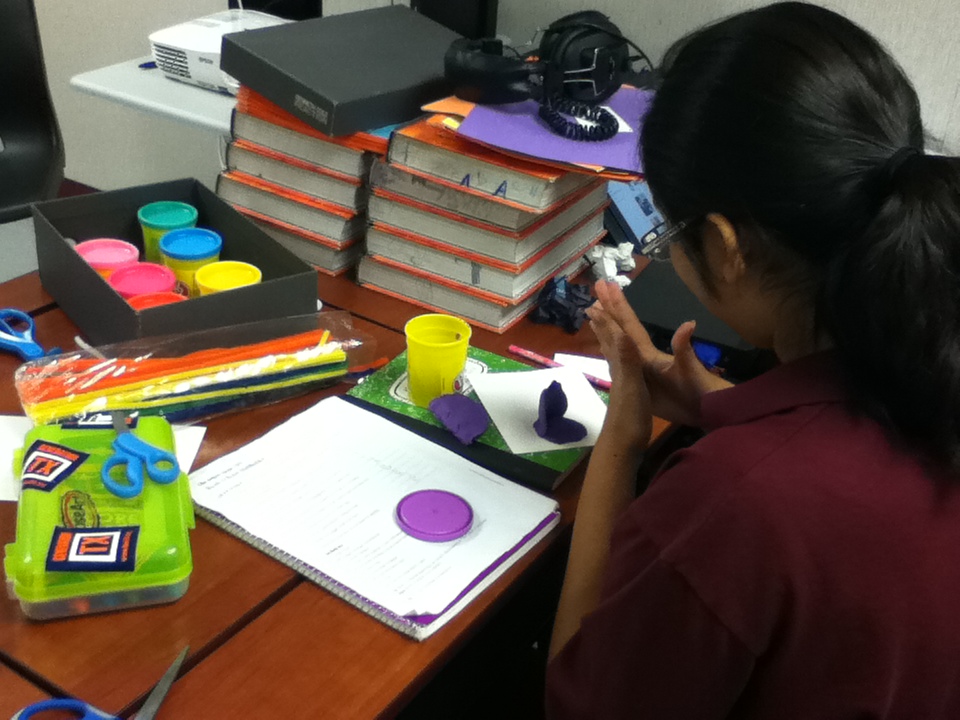

English I: Still reeling from the success of their
comparison/contrast essays, students move on to conflict in short stories. Students take on “The Sniper” by Liam
O’Flaherty. Before reading, students
become familiar with the vocabulary of the story by creating and presenting
clay models of the vocabulary words.
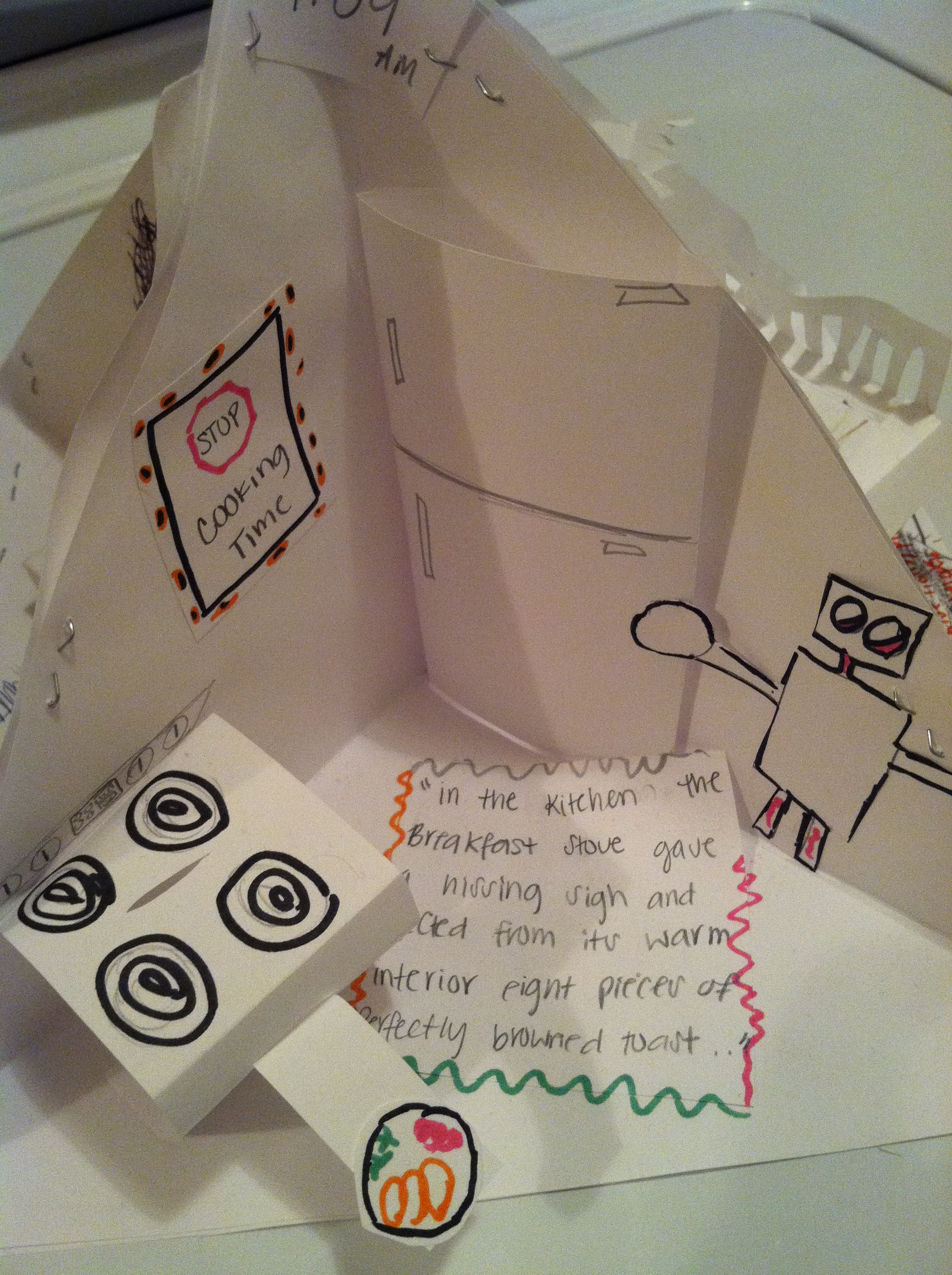
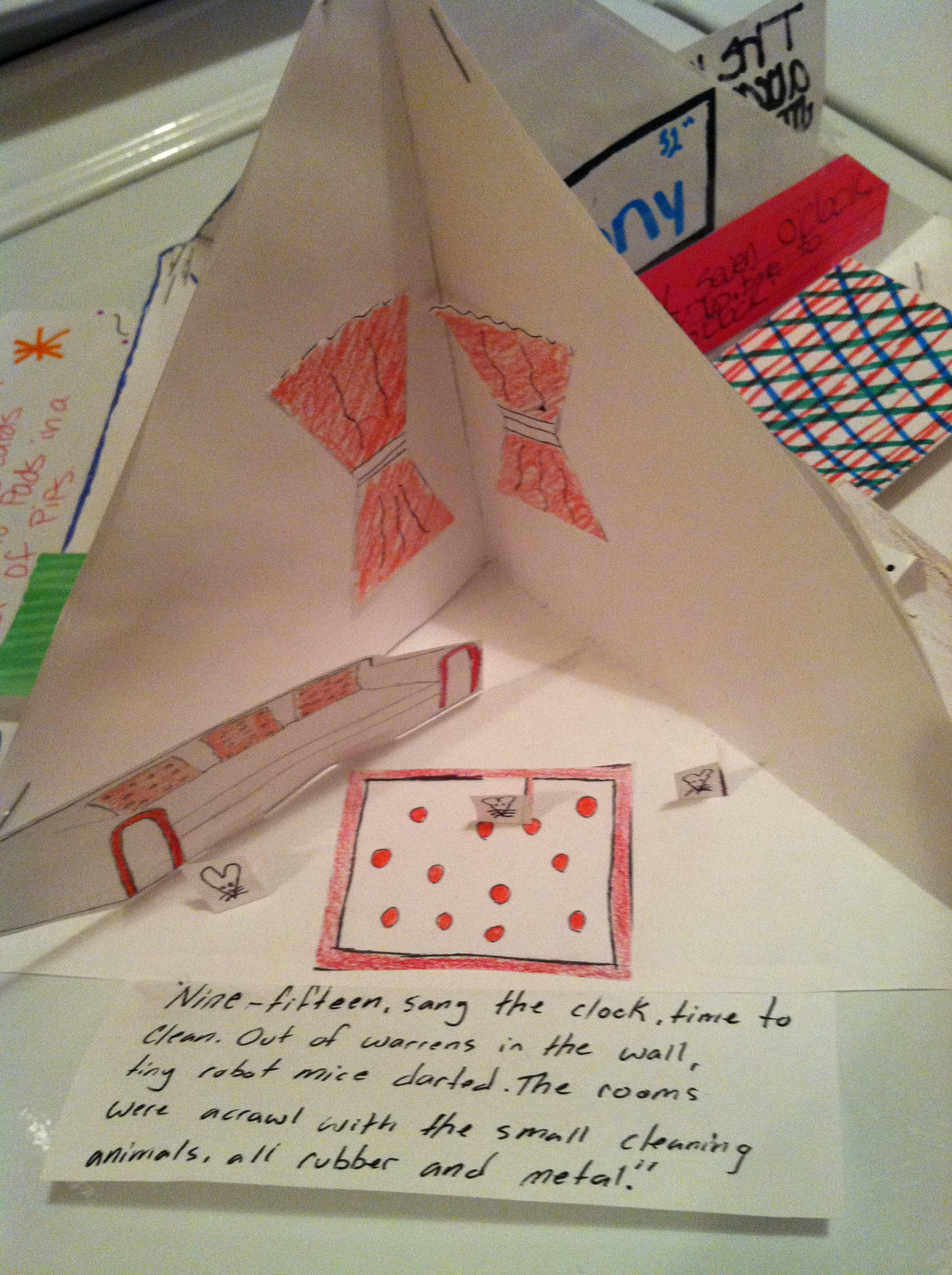
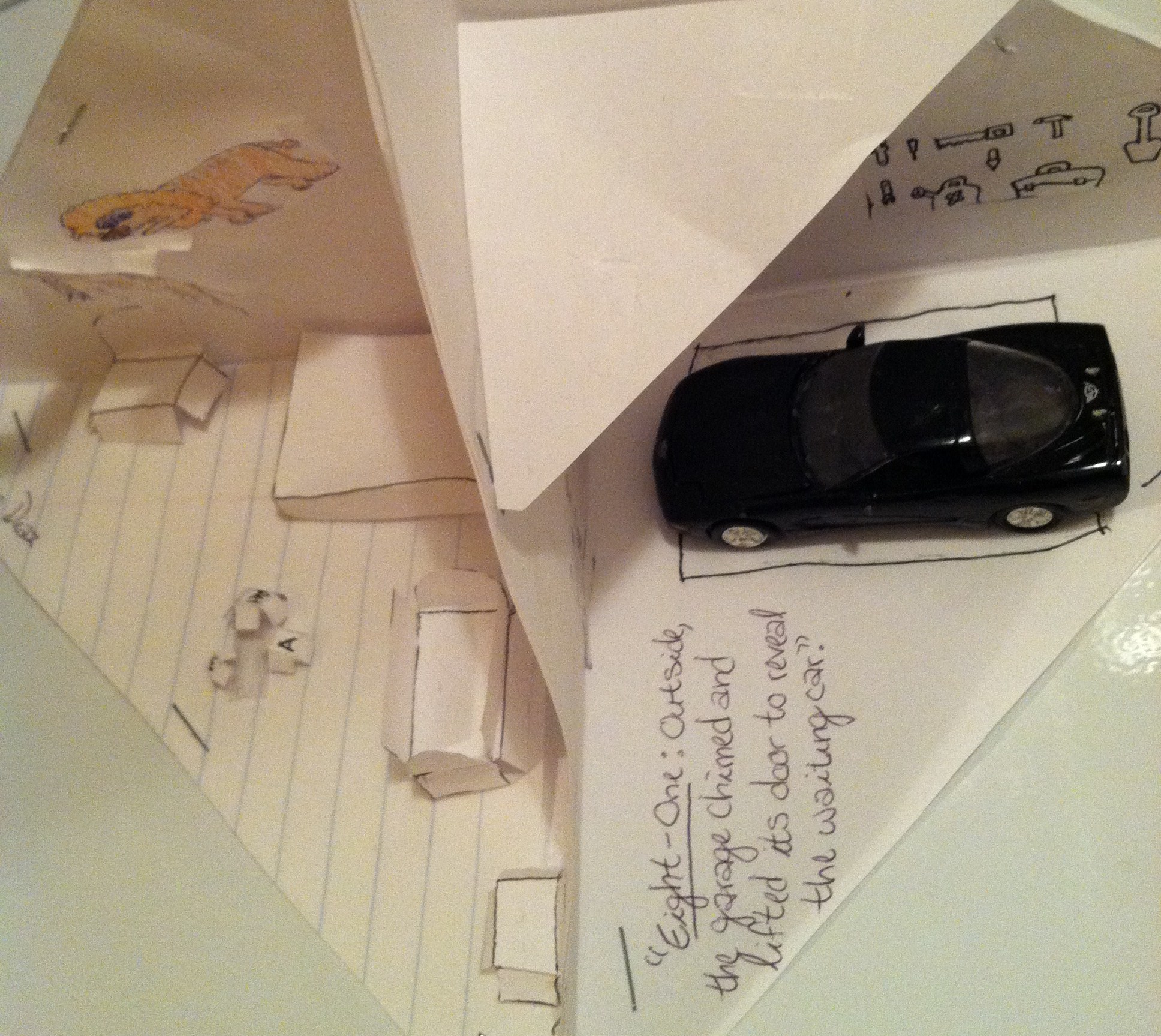
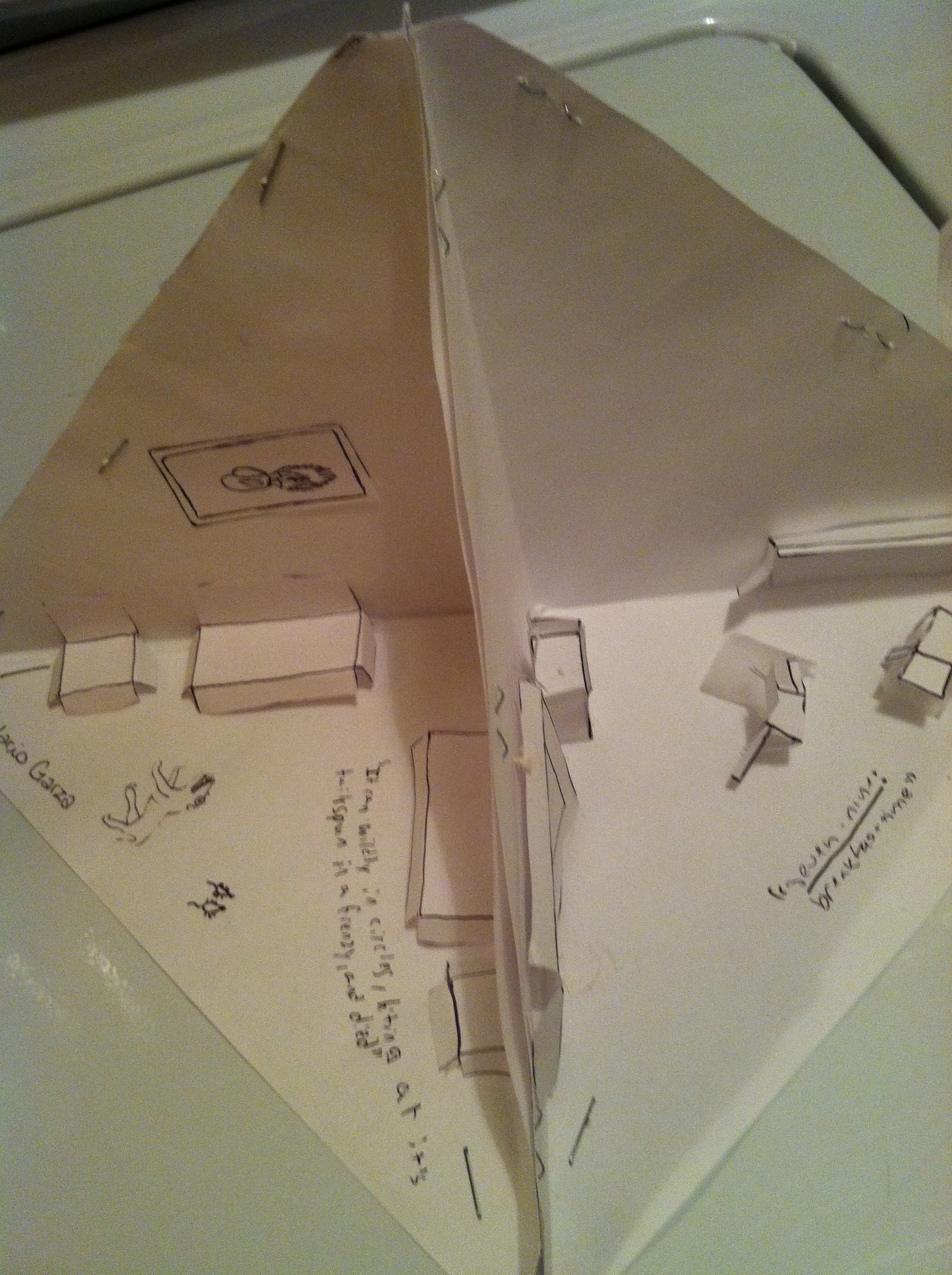
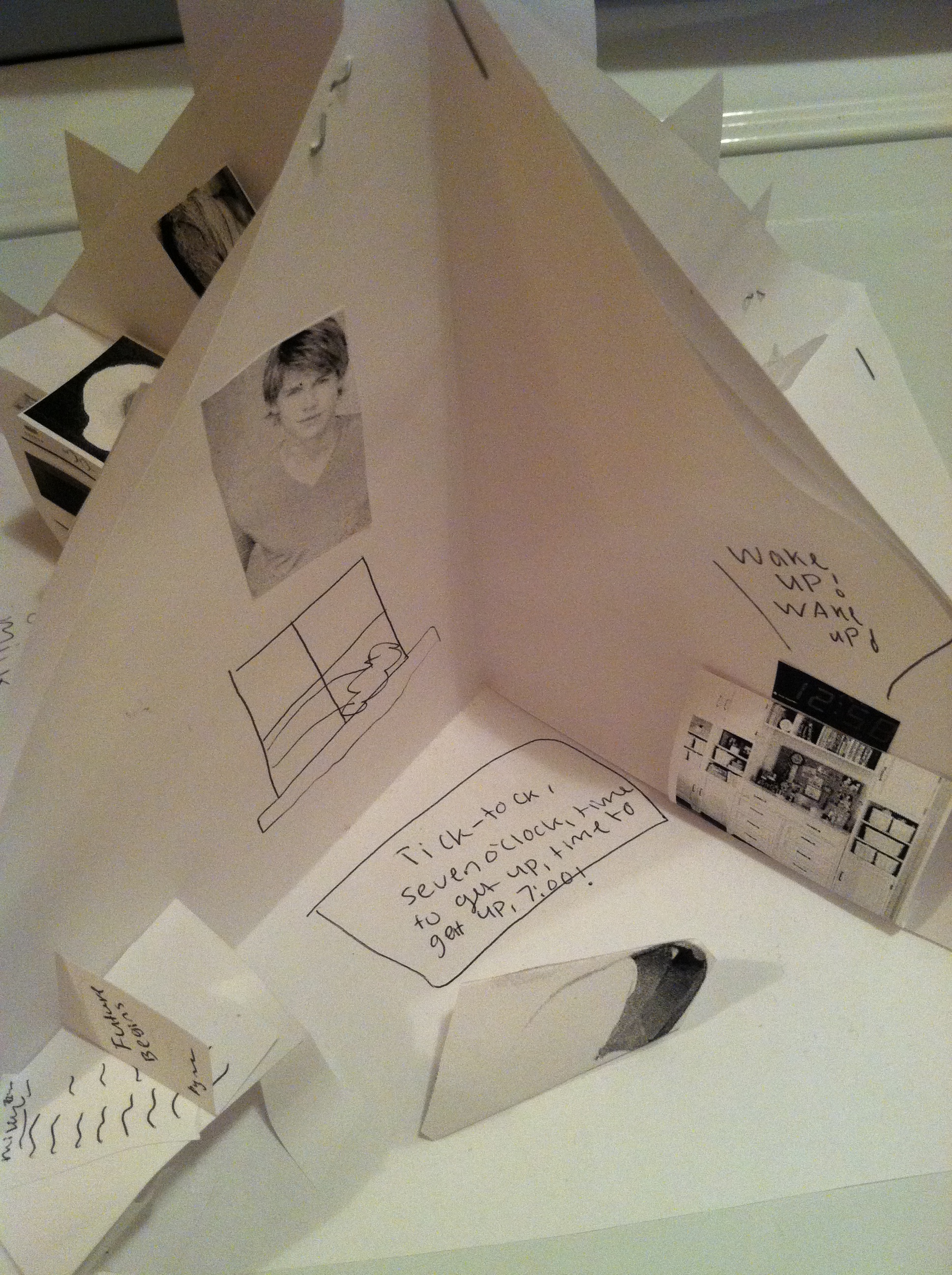
English II: After reading “There Will Come Soft Rains”, students examined plot and setting using the pyramid foldable.
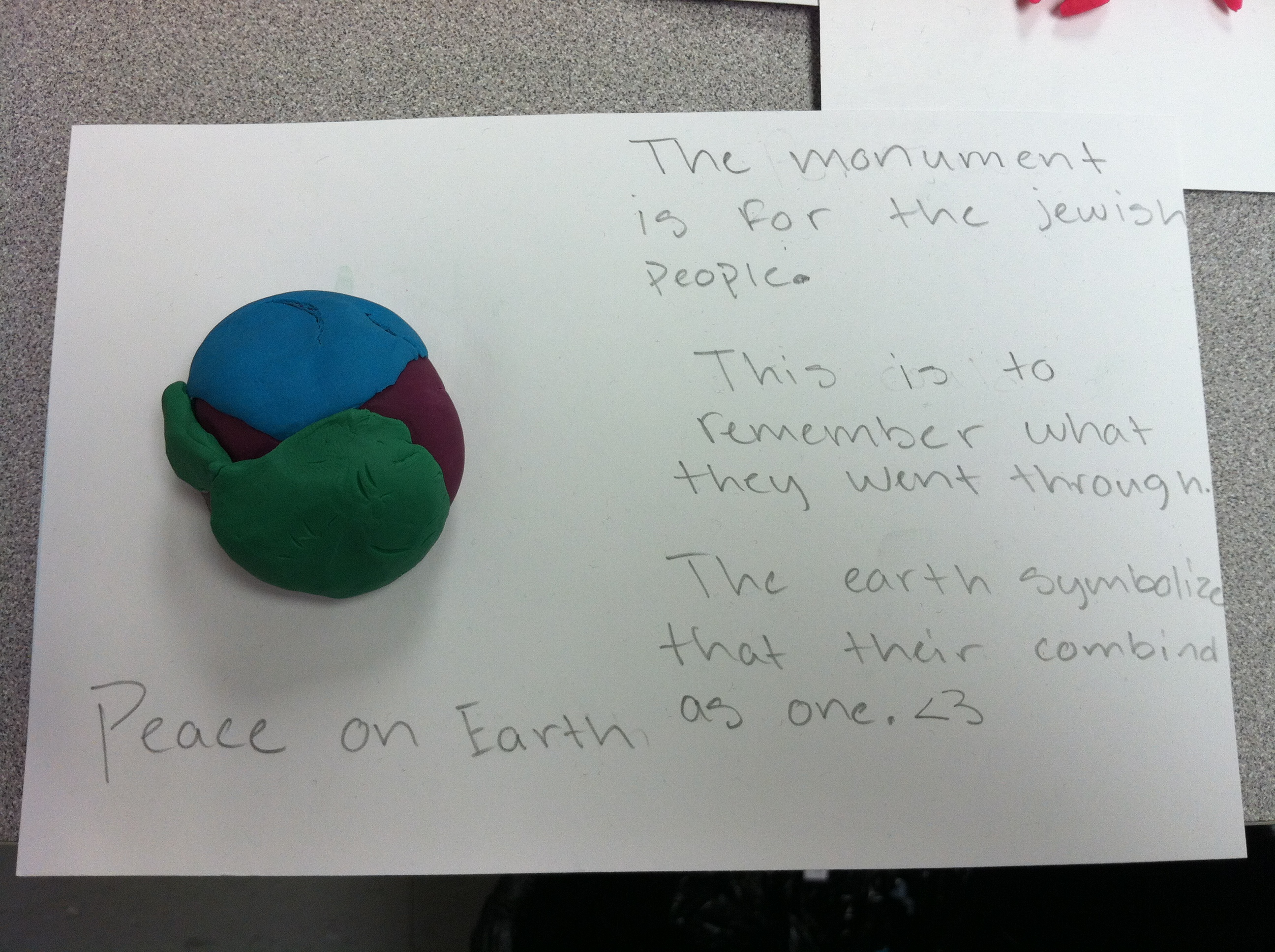
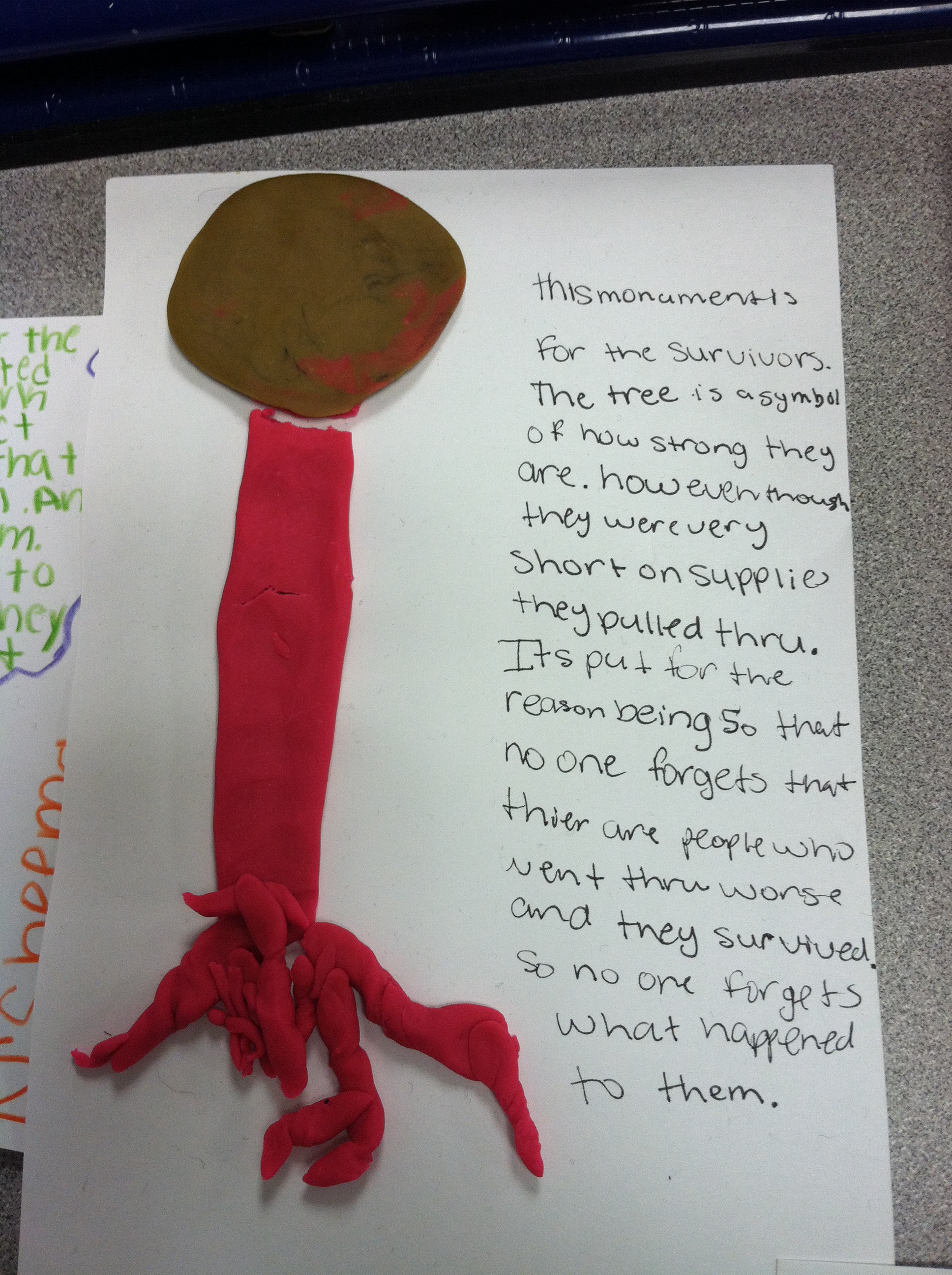
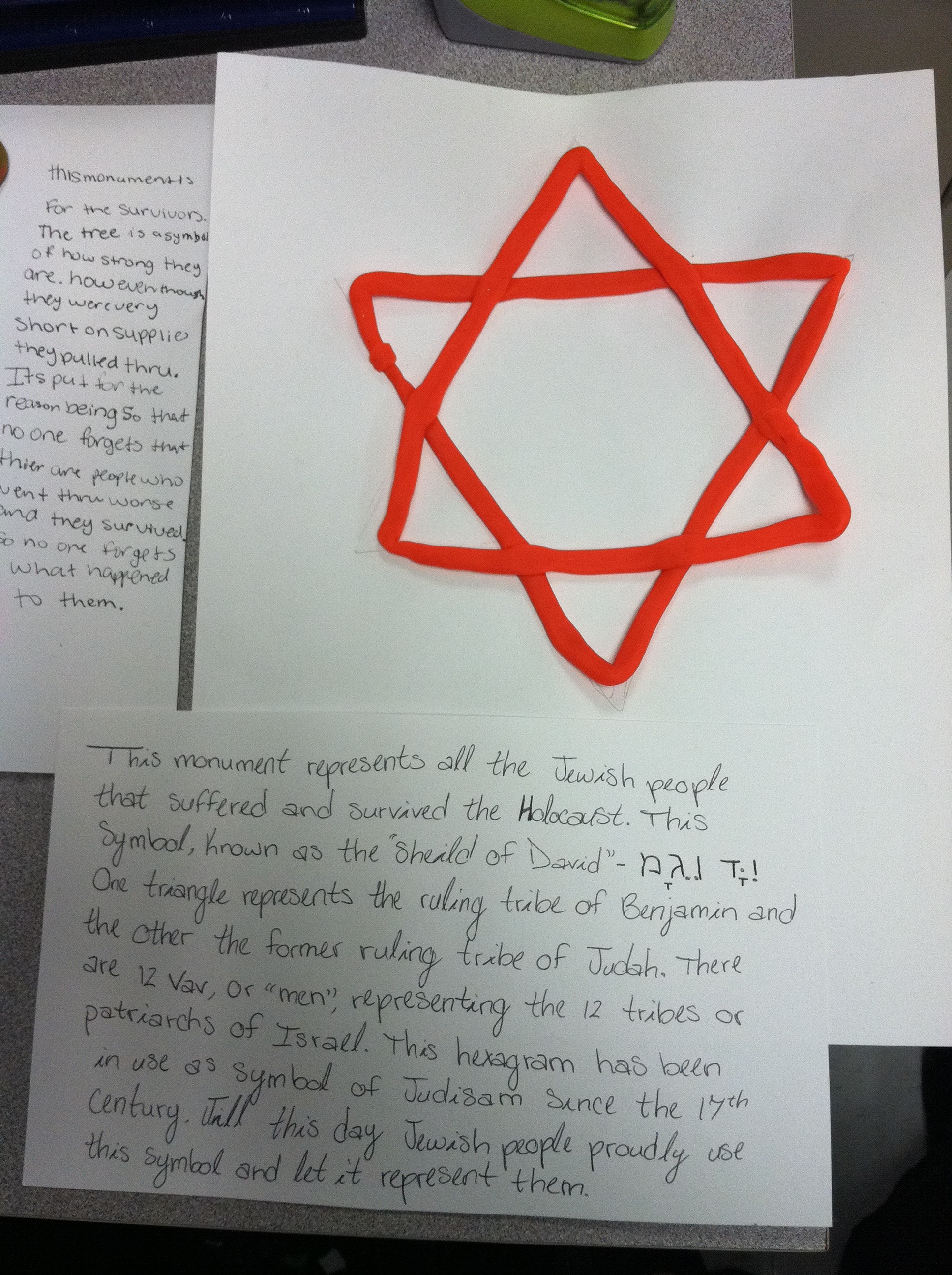
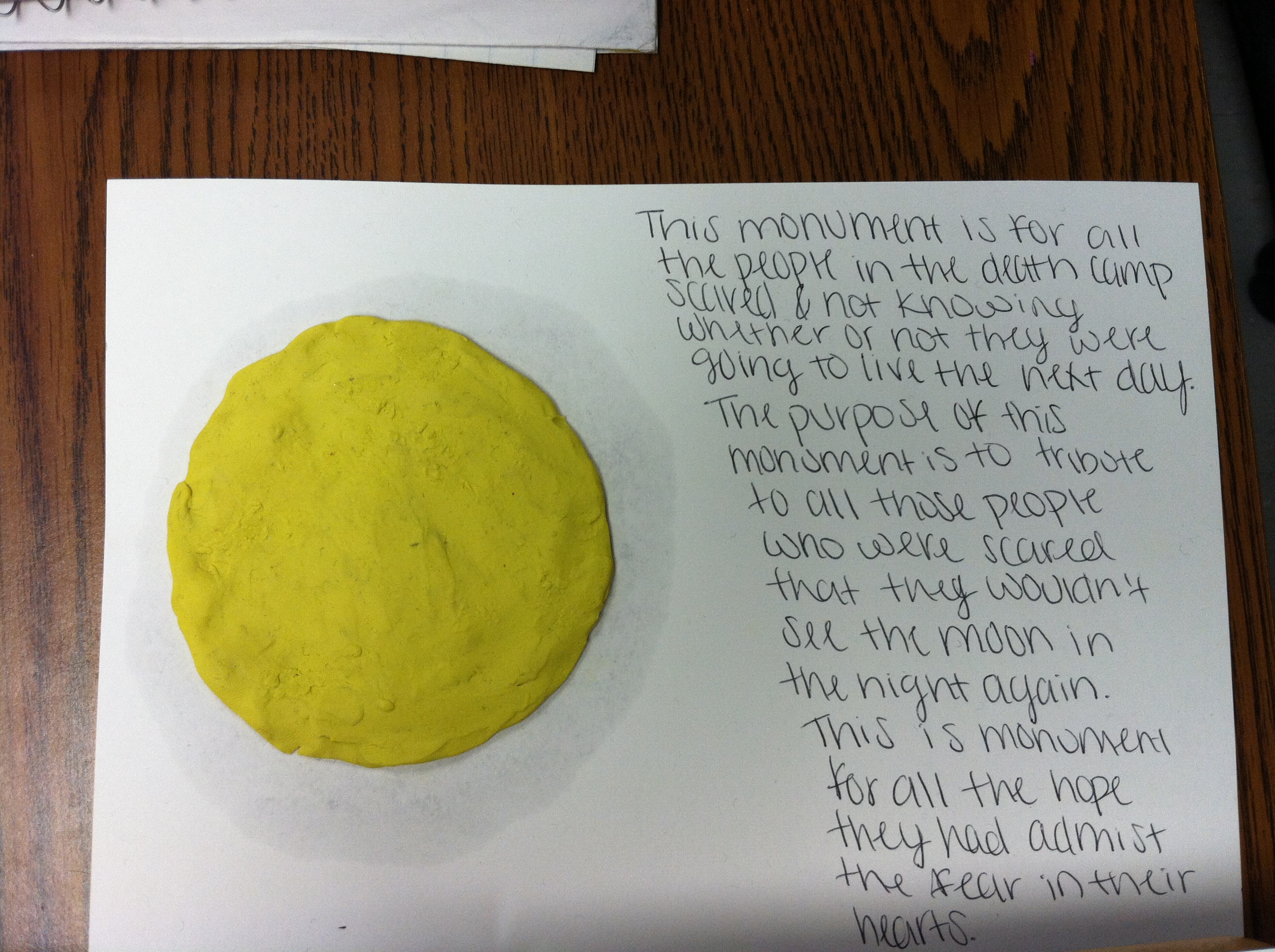
English II: Students worked with clay to create a monument for Holocaust survivors. This activity helped them illustrate their understanding of author’s purpose and symbolism in Elie Wiesel’s “Night”.
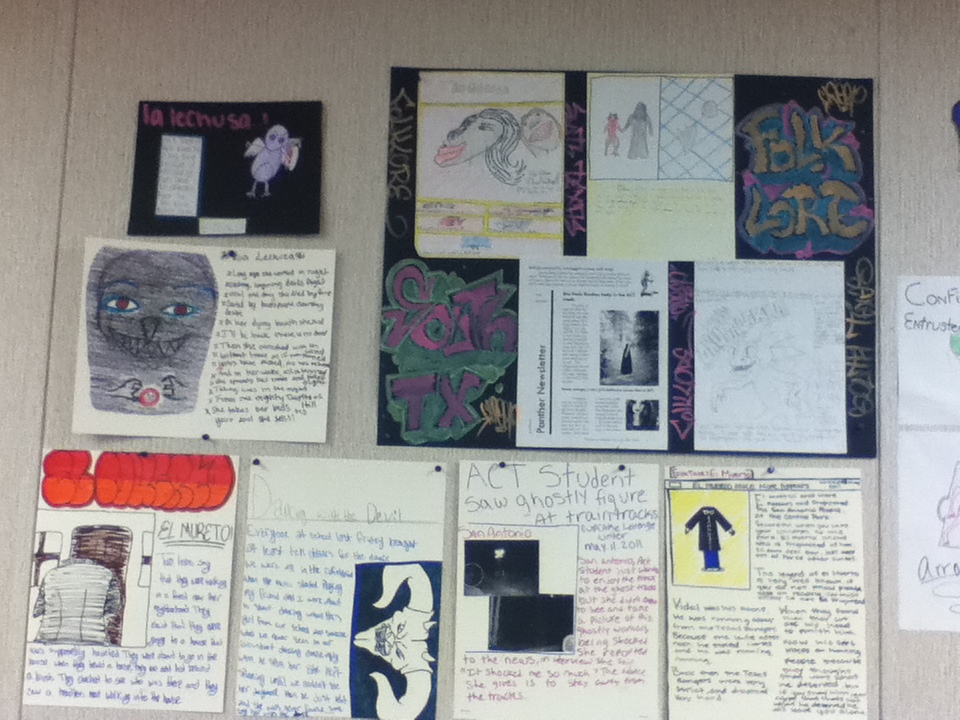
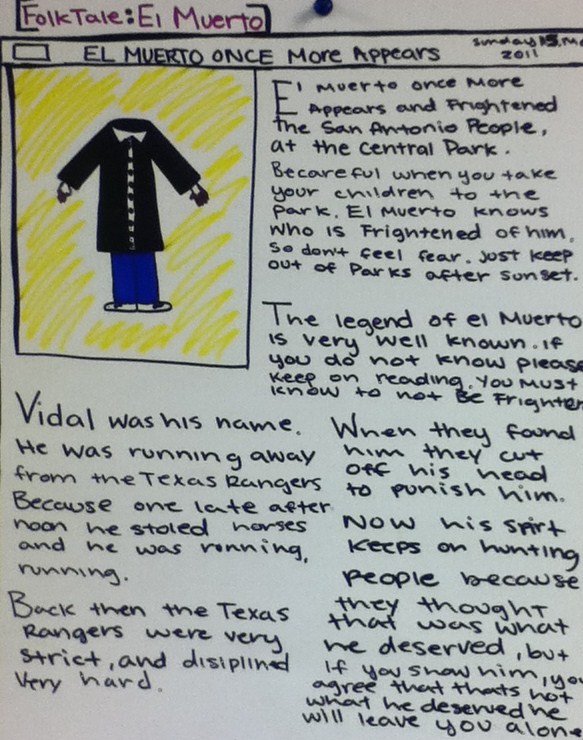
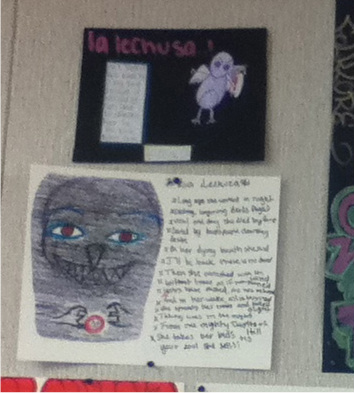
Folktale Unit: One of the most enjoyable units. It was a great way to end the year and keep student engagement. It was also an effective tool to connect with parents. These are stories that many generations can relate to.